
Auto-generated post_excerpt
Continue readingCasino Game Architects Crafting Dynasties
Auto-generated post_excerpt
Continue readingElegance des Glücksrahmens zur Gewinnspirale im Casino
Auto-generated post_excerpt
Continue readingCoronavirus disease 2019
COVID-19 is a contagious disease caused by the coronavirus SARS-CoV-2. In January 2020, the disease spread worldwide, resulting in the COVID-19 pandemic.
The symptoms of COVID‑19 can vary but often include fever,[7] fatigue, cough, breathing difficulties, loss of smell, and loss of taste.[8][9][10] Symptoms may begin one to fourteen days after exposure to the virus. At least a third of people who are infected do not develop noticeable symptoms.[11][12] Of those who develop symptoms noticeable enough to be classified as patients, most (81%) develop mild to moderate symptoms (up to mild pneumonia), while 14% develop severe symptoms (dyspnea, hypoxia, or more than 50% lung involvement on imaging), and 5% develop critical symptoms (respiratory failure, shock, or multiorgan dysfunction).[13] Older people have a higher risk of developing severe symptoms. Some complications result in death. Some people continue to experience a range of effects (long COVID) for months or years after infection, and damage to organs has been observed.[14] Multi-year studies on the long-term effects are ongoing.[15]
COVID‑19 transmission occurs when infectious particles are breathed in or come into contact with the eyes, nose, or mouth. The risk is highest when people are in close proximity, but small airborne particles containing the virus can remain suspended in the air and travel over longer distances, particularly indoors. Transmission can also occur when people touch their eyes, nose, or mouth after touching surfaces or objects that have been contaminated by the virus. People remain contagious for up to 20 days and can spread the virus even if they do not develop symptoms.[16]
Testing methods for COVID-19 to detect the virus’s nucleic acid include real-time reverse transcription polymerase chain reaction (RT‑PCR),[17][18] transcription-mediated amplification,[17][18][19] and reverse transcription loop-mediated isothermal amplification (RT‑LAMP)[17][18] from a nasopharyngeal swab.[20]
Several COVID-19 vaccines have been approved and distributed in various countries, many of which have initiated mass vaccination campaigns. Other preventive measures include physical or social distancing, quarantining, ventilation of indoor spaces, use of face masks or coverings in public, covering coughs and sneezes, hand washing, and keeping unwashed hands away from the face. While drugs have been developed to inhibit the virus, the primary treatment is still symptomatic, managing the disease through supportive care, isolation, and experimental measures.
The Founding of YouTube A Short History
YouTube is one of the most influential platforms in modern media, but its origin story is surprisingly simple: a small team wanted an easier way to share video online. In the early 2000s, uploading and sending video files was slow, formats were inconsistent, and most websites weren’t built for smooth playback. YouTube’s founders focused on removing those barriers—making video sharing as easy as sending a link.
Who Founded YouTube?
YouTube was founded by three former PayPal employees: Chad Hurley, Steve Chen, and Jawed Karim. They combined product thinking, engineering skills, and a clear user goal: create a website where anyone could upload a video and watch it instantly in a browser.
- Chad Hurley — product/design focus and early CEO role
- Steve Chen — engineering and infrastructure
- Jawed Karim — engineering and early concept support
The Problem YouTube Solved
At the time, sharing video often meant emailing huge files or dealing with complicated players and downloads. YouTube made video:
- Uploadable by non-experts (simple interface)
- Streamable in the browser (no special setup)
- Sharable through links and embedding on other sites
Early Growth and the First Video
YouTube launched publicly in 2005. One of the most famous early moments was the first uploaded video, “Me at the zoo,” featuring co-founder Jawed Karim. The clip was short and casual—exactly the kind of everyday content that proved the platform’s big idea: ordinary people could publish video without needing a studio.
Key Milestones Timeline
| 2005 | YouTube is founded and launches | Introduced easy browser-based video sharing |
| 2005 | “Me at the zoo” is uploaded | Became a symbol of user-generated video culture |
| 2006 | Google acquires YouTube | Provided resources to scale hosting and global reach |
Why Google Bought YouTube
By 2006, YouTube’s traffic was exploding. Video hosting is expensive—bandwidth and storage costs rise fast when millions of people watch content daily. Google’s acquisition gave YouTube the infrastructure and advertising ecosystem to grow into a sustainable business.
What YouTube’s Founding Changed
YouTube didn’t just create a popular website; it reshaped how people learn, entertain themselves, and build careers online. Its founding helped accelerate:
- Creator-driven media and influencer culture
- How-to education and free tutorials at massive scale
- Music discovery, commentary, and global community trends
From a small startup idea to a global video powerhouse, YouTube’s founding is a classic example of a simple product solving a real problem—and changing the internet in the process.
Whales: Giants of the Ocean
Whales: Giants of the Ocean
Whales are among the largest and most remarkable animals on Earth. These marine mammals live in oceans around the world, from warm tropical waters to the cold seas surrounding the poles.
Life Beneath the Surface
Although whales spend their lives in water, they breathe air through blowholes located on top of their heads. They must regularly return to the surface to breathe before diving again in search of food or traveling through the ocean.
Whales are warm-blooded, give birth to live young, and nurse their calves with milk. A thick layer of fat called blubber helps protect them from cold water and stores energy during long migrations.
Two Main Groups
Whales are generally divided into baleen whales and toothed whales. Baleen whales filter small animals from the water using flexible plates inside their mouths. This group includes blue whales, humpback whales, and gray whales.
Toothed whales use teeth to catch fish, squid, and other prey. Many of them also use echolocation, producing sounds and listening for returning echoes to understand their surroundings. Sperm whales, belugas, and orcas belong to this group.
The Blue Whale
The blue whale is the largest known animal to have ever lived. An adult can grow longer than a city bus and weigh well over one hundred tonnes. Despite its enormous size, it feeds mainly on tiny crustaceans called krill.
Communication and Migration
Whales communicate using clicks, whistles, pulses, and complex songs. Some sounds can travel across great distances underwater. Humpback whales are especially famous for their long, patterned songs.
Many species migrate thousands of kilometres each year. They often feed in cold, nutrient-rich waters before traveling to warmer regions where they mate and give birth.
Protecting Whales
Commercial hunting once caused severe declines in many whale populations. Today, whales also face threats from fishing gear, ship collisions, underwater noise, pollution, and changes to ocean ecosystems.
Conservation programs, safer fishing practices, protected habitats, and international cooperation can help whale populations recover. Protecting whales also supports healthier oceans because these animals play an important role in marine food webs and nutrient cycles.
Whales: Giants of the Ocean
Whales: Giants of the Ocean
Whales are among the largest and most remarkable animals on Earth. These marine mammals live in oceans around the world, from warm tropical waters to the cold seas surrounding the poles.
Life Beneath the Surface
Although whales spend their lives in water, they breathe air through blowholes located on top of their heads. They must regularly return to the surface to breathe before diving again in search of food or traveling through the ocean.
Whales are warm-blooded, give birth to live young, and nurse their calves with milk. A thick layer of fat called blubber helps protect them from cold water and stores energy during long migrations.
Two Main Groups
Whales are generally divided into baleen whales and toothed whales. Baleen whales filter small animals from the water using flexible plates inside their mouths. This group includes blue whales, humpback whales, and gray whales.
Toothed whales use teeth to catch fish, squid, and other prey. Many of them also use echolocation, producing sounds and listening for returning echoes to understand their surroundings. Sperm whales, belugas, and orcas belong to this group.
The Blue Whale
The blue whale is the largest known animal to have ever lived. An adult can grow longer than a city bus and weigh well over one hundred tonnes. Despite its enormous size, it feeds mainly on tiny crustaceans called krill.
Communication and Migration
Whales communicate using clicks, whistles, pulses, and complex songs. Some sounds can travel across great distances underwater. Humpback whales are especially famous for their long, patterned songs.
Many species migrate thousands of kilometres each year. They often feed in cold, nutrient-rich waters before traveling to warmer regions where they mate and give birth.
Protecting Whales
Commercial hunting once caused severe declines in many whale populations. Today, whales also face threats from fishing gear, ship collisions, underwater noise, pollution, and changes to ocean ecosystems.
Conservation programs, safer fishing practices, protected habitats, and international cooperation can help whale populations recover. Protecting whales also supports healthier oceans because these animals play an important role in marine food webs and nutrient cycles.
Somnath to Dwarka by Road: Travel Time, Distance & Cab Fare Guide | Astha Travels Line
Somnath to Dwarka by Road: Travel Time, Distance & Cab Fare Guide
A pilgrimage across Gujarat is incomplete without visiting its two most profound spiritual centers: Somnath and Dwarka. Traveling from the first Jyotirlinga (Somnath) to the sacred kingdom of Lord Krishna (Dwarka) is not just a geographical transit; it is a deeply spiritual journey. While there are trains and buses available, taking a road trip is undoubtedly the most comfortable and rewarding way to experience the beauty of the Saurashtra coast.
If you are planning this trip, Astha Travels Line is here to ensure your ride is safe, punctual, and highly affordable. This comprehensive SEO-friendly guide covers everything you need to know about the Somnath to Dwarka road trip, including distance, travel time, highway routes, sightseeing stops, and updated cab fares.
Somnath to Dwarka Distance & Travel Time Overview
Before packing your bags, it is essential to understand the basic logistics of the journey so you can plan your day accordingly.
-
Somnath to Dwarka Distance: Approximately 233 km to 236 km.
-
Average Travel Time: 4 to 4.5 hours of continuous driving.
-
Ideal Time Required: 5.5 to 6 hours (factoring in meal breaks and sightseeing detours).
-
Primary Highway: National Highway 51 (NH-51), widely known as the Coastal Highway.
The road infrastructure in Gujarat is excellent. The highway is mostly four-lane, well-maintained, and peppered with toll plazas, ensuring a smooth and bump-free ride for families and elderly pilgrims.
Choosing the Best Route: Coastal vs. Interior
There are two primary ways to travel between Somnath and Dwarka. Your choice of route dictates the scenery, travel time, and the types of pit stops you can make.
Route 1: The Coastal Route via NH-51 (Highly Recommended)
This is the universally preferred route for tourists and locals alike. It is faster, more scenic, and runs parallel to the Arabian Sea for a significant portion of the journey.
-
The Route: Somnath → Chorwad → Mangrol → Madhavpur → Porbandar → Gandhvi (Harsiddhi Mata) → Dwarka.
-
Total Distance: 233 km.
-
Travel Time: 4 hours.
-
Road Conditions: Excellent, predominantly four-lane highways with beautiful coastal vistas.
Route 2: The Interior Route via NH-27 & NH-51
If you have already traveled the coastal highway and want a different view of Saurashtra’s rural interiors, this is an alternative. However, it adds both distance and travel time.
-
The Route: Somnath → Manavadar → Porbandar → Gandhvi → Bhogat → Dwarka.
-
Total Distance: 255 km.
-
Travel Time: 4.5 to 5 hours.
-
Road Conditions: Good, but features narrower stretches compared to the NH-51 coastal spine.
The Verdict: Stick to Route 1 (NH-51). It saves you roughly 22 kilometers, gets you to Dwarka up to 45 minutes faster, and offers vastly superior sightseeing opportunities.
Must-Visit Places on the Somnath to Dwarka Route
Booking a private cab with Astha Travels Line means you are not bound by a rigid bus schedule. You have the freedom to explore incredible landmarks along the Saurashtra coast. Here are the top places to visit en route:
-
Madhavpur Beach: Located near the halfway mark of your journey, this pristine beach features crashing waves and a picturesque coastline. The highway runs right along the beach, making it a perfect spot to stretch your legs and click photographs.
-
Porbandar (Mahatma Gandhi’s Birthplace): As a major city on NH-51, Porbandar is a must-visit. You can take a brief 45-minute detour to visit Kirti Mandir (the ancestral home of Mahatma Gandhi) and the Sudama Temple.
-
Harsiddhi Mata Temple (Gandhvi): Situated on a small hill (Koyal Dungar) overlooking the sea, this ancient temple provides breathtaking panoramic views of the coast.
-
Mul Dwarka (Visavada): A quiet, historically rich village that is believed to be the original spot where Lord Krishna first set foot in Saurashtra before establishing his kingdom in Dwarka.
Somnath to Dwarka Cab Fare: Pricing & Vehicle Options
When traveling with family or carrying heavy luggage, an outstation cab offers unmatched convenience. You avoid the hassle of overnight trains or crowded state buses.
At Astha Travels Line, we maintain a transparent, highly competitive pricing structure. There are no hidden fees, and our fleet accommodates all group sizes and budgets. Below is an estimated fare breakdown for a one-way trip from Somnath to Dwarka:
| Vehicle Category | Recommended Models | Seating Capacity | Approx. One-Way Fare | Best Suited For |
| Hatchback | WagonR, Swift | 4 Passengers | ₹3,900 – ₹4,200 | Solo travelers, budget couples. |
| Sedan | Maruti Dzire, Toyota Etios | 4 Passengers | ₹4,000 – ₹5,100 | Small families seeking extra boot space. |
| Standard SUV | Maruti Ertiga, Mahindra Marazzo | 6 Passengers | ₹5,500 – ₹6,000 | Mid-sized groups, comfortable legroom. |
| Premium SUV | Toyota Innova, Innova Crysta | 6-7 Passengers | ₹6,500 – ₹7,500 | Large families, premium luxury travel. |
(Note: Toll taxes, parking charges, and driver allowances may be extra based on your specific itinerary. Round-trip bookings are also available at highly discounted per-kilometer rates).
Why Choose Astha Travels Line for Your Journey?
Booking a reliable taxi service in Gujarat can make or break your pilgrimage experience. Here is why thousands of devotees choose Astha Travels Line every year:
-
Punctual Doorstep Pickups: We pick you up directly from your hotel, ashram, or railway station in Somnath at your requested time.
-
Well-Maintained, Sanitized Fleet: Our vehicles undergo rigorous cleaning and mechanical checks before every outstation trip. Air-conditioning is standard across all categories.
-
Experienced Local Drivers: Our chauffeurs are highly familiar with Gujarat’s highways. They navigate the best routes, drive safely, and know the finest pure-vegetarian local restaurants (like the famous Kathiyawadi thali spots in Porbandar).
-
100% Transparent Billing: The price we quote at the time of booking is the final price. We do not believe in hidden surges or last-minute surprises.
-
Flexible Sightseeing: Want to spend an extra hour at Madhavpur beach? No problem. Our drivers are happy to accommodate your pace.
Best Time to Travel
The weather in Gujarat plays a significant role in your travel comfort.
-
Winter (October to March): This is the best time to travel from Somnath to Dwarka. The weather is pleasantly cool, with temperatures hovering between 15°C and 25°C. It is perfect for daytime highway travel and temple exploration.
-
Monsoon (July to September): The Saurashtra coast looks lush and beautiful, but heavy coastal rains can occasionally slow down highway traffic.
-
Summer (April to June): The region gets quite hot and humid. If you must travel during these months, booking an AC cab with Astha Travels Line ensures you stay completely comfortable throughout the 4-hour drive.
Frequently Asked Questions (FAQs)
1. Is it safe to travel from Somnath to Dwarka at night?
Yes, NH-51 is a safe, well-trafficked, and widely used highway. However, you miss the spectacular coastal views of the Arabian Sea if you travel after dark. We recommend starting your journey in the morning or early afternoon.
2. Can I complete the Somnath to Dwarka trip and return on the same day?
While technically possible (8 to 9 hours of total driving), it is highly exhausting. You will barely have time for the Dwarkadhish temple darshan. We strongly advise treating it as a one-way transfer or a 2-day round trip.
3. Are there good food options on the highway?
Absolutely. The route is dotted with excellent Kathiyawadi dhabas and family restaurants. Porbandar, which is halfway, is an ideal stop for a wholesome Gujarati Thali lunch.
4. How far in advance should I book my cab with Astha Travels Line?
While we accept last-minute bookings, we highly recommend booking at least 48 to 72 hours in advance—especially during peak festival seasons like Janmashtami, Diwali, or Shivratri, when cab availability drops sharply.
Book Your Somnath to Dwarka Cab Today!
The journey from Somnath to Dwarka is an incredible blend of spiritual devotion, cultural history, and breathtaking coastal geography. Don’t let logistical stress take away from your peace of mind.
Let Astha Travels Line handle the driving while you relax, enjoy the Arabian Sea breeze, and prepare for your darshan at the Dwarkadhish Temple.
Contact Astha Travels Line today to get a free quote or book your ride instantly!
How much is a taxi from Mumbai Airport to Daman Taxi – Astha Travels Line

Mumbai Airport to Daman Taxi Fare: A Comprehensiv Guide Featuring Astha Travels Line
A seamless transition from the bustling terminals of Mumbai’s Chhatrapati Shivaji Maharaj International Airport to the tranquil, sun-kissed shores of Daman is the dream for many travelers. This comprehensive guide delves into the specifics of booking a taxi for this popular route, with a special focus on the services and pricing of Astha Travels Line, a seasoned player in the region’s transport sector. Whether you’re a solo traveler, a family on vacation, or a group of friends seeking a coastal getaway, understanding the nuances of taxi fares, vehicle options, and the journey itself is paramount for a well-planned and stress-free trip.
Decoding the Taxi Fare: What to Expect for Your Mumbai Airport to Daman
Journey
The primary query for most travelers is, “How much will it cost?” The taxi fare from Mumbai Airport to Daman is not a one-size-fits-all figure. It is influenced by a variety of factors, including the choice of vehicle, the specific taxi operator, and the inclusions in the fare.
Astha Travels Line: Transparent and Competitive Pricing
Astha Travels Line has established a reputation for its straightforward and competitive pricing structure.As of 2025, their one-way taxi fare from Mumbai Airport to Daman starts at an attractive ₹2,199. A significant advantage of opting for Astha Travels Line is their all-inclusive fare policy. The quoted price typically includes all tolls, taxes, and driver allowances, ensuring that you are not met with any unexpected charges at the end of your journey.
Here is a detailed breakdown of the likely fares you can expect from Astha Travels Line based on your vehicle preference:
| Vehicle Type | Popular Models | Seating Capacity (Excluding Driver) | Approximate One-Way Fare | Ideal For |
| Hatchback | Maruti Suzuki Wagon R, Tata Indica | 4 | Starting from ₹2,199 | Solo travelers or couples with light luggage. |
| Sedan | Maruti Suzuki Dzire, Toyota Etios | 4 | Approximately ₹2,499 | Small families or individuals seeking more comfort and boot space. |
| SUV | Toyota Innova, Mahindra Xylo, Maruti Ertiga | 6-7 | Approximately ₹3,499 | Larger families or groups, or those with significant luggage. |
A Comparative Look at Other Taxi Services
To provide a holistic view, it’s beneficial to compare Astha Travels Line’s pricing with the general market rates. A quick survey of other popular taxi aggregators and local operators reveals the following approximate fare ranges for a one-way trip from Mumbai Airport to Daman:
- Hatchback: ₹2,100 to ₹2,600
- Sedan: ₹2,400 to ₹2,900
- SUV: ₹3,200 to ₹4,500
This comparison underscores that Astha Travels Line is competitively priced, often falling within the more affordable spectrum of available options.
Key Factors That Can Influence Your Final Taxi Fare
While the base fare is a crucial component, several other elements can affect the total cost of your taxi journey:
- Time of Day: While Astha Travels Line and many other reputable services offer 24/7 service at standard rates, some operators may apply a nighttime surcharge for bookings between late evening and early morning.
- Round Trip vs. One-Way: If you plan to return to Mumbai from Daman, booking a round trip can sometimes be more economical than two separate one-way journeys. However, for those with uncertain return plans, a one-way taxi offers greater flexibility.
- Waiting Charges: Should you require the driver to wait for an extended period, either at the pickup point or for any en-route stops, waiting charges may be levied. It is advisable to clarify the waiting charge policy at the time of booking.
- Extra Kilometers: The quoted fare is for a direct trip. Any significant detours or additional drop-off points will likely result in extra charges based on the additional distance covered.
The Journey Unveiled: From Mumbai’s Urban Sprawl to Daman’s Coastal
Charm
The road journey from Mumbai Airport to Daman is a pleasant experience, offering a glimpse into the changing landscapes of Maharashtra and Gujarat.
- Distance: The approximate distance is between 170 and 180 kilometers.
- Travel Time: Under normal traffic conditions, the journey can be completed in approximately 3.5 to 4.5 hours. It is prudent to factor in potential delays, especially when navigating through Mumbai’s traffic during peak hours.
- Route: The most common and efficient route is via the National Highway 48 (NH48).This well-maintained highway ensures a smooth and comfortable ride for the majority of the journey.
Scenic Stops and Points of Interest En Route
For those who wish to make their journey more experiential, the route from Mumbai to Daman offers several interesting places to pause and explore:
- Global Vipassana Pagoda: A monumental golden pagoda that is a center for meditation and a symbol of peace.
- Vasai Fort: The ruins of this historic fort offer a glimpse into the region’s Portuguese past.
- Vapi: A bustling industrial town that can be a convenient stop for refreshments.
A Closer Look at Astha Travels Line: Why Choose Them?
With a legacy spanning over three decades, Astha Travels Line has carved a niche for itself in the competitive travel industry. Here’s a detailed look at what they offer:
- A Diverse and Well-Maintained Fleet: From economical hatchbacks to spacious SUVs, their fleet caters to a wide range of travel needs and budgets.
- Professional and Experienced Drivers: Their drivers are not only adept at navigating the routes but are also trained to prioritize passenger safety and comfort. Their local knowledge can be an asset for travelers new to the region.
- 24/7 Customer Support: The availability of round-the-clock customer service provides a safety net for travelers, offering assistance with bookings, queries, and any on-road issues.
- User-Friendly Booking Process: Astha Travels Line offers multiple channels for booking, including a user-friendly website and a dedicated phone line, making the reservation process hassle-free.
Customer Experiences and Reputation
A perusal of online reviews for Astha Travels Line on platforms like Justdial reveals a generally positive sentiment, with many customers appreciating their punctuality and professional service. However, as with any long-standing service provider, there are also some critical reviews. A balanced approach would be to acknowledge their extensive experience and positive track record while being mindful of the feedback from a diverse customer base.
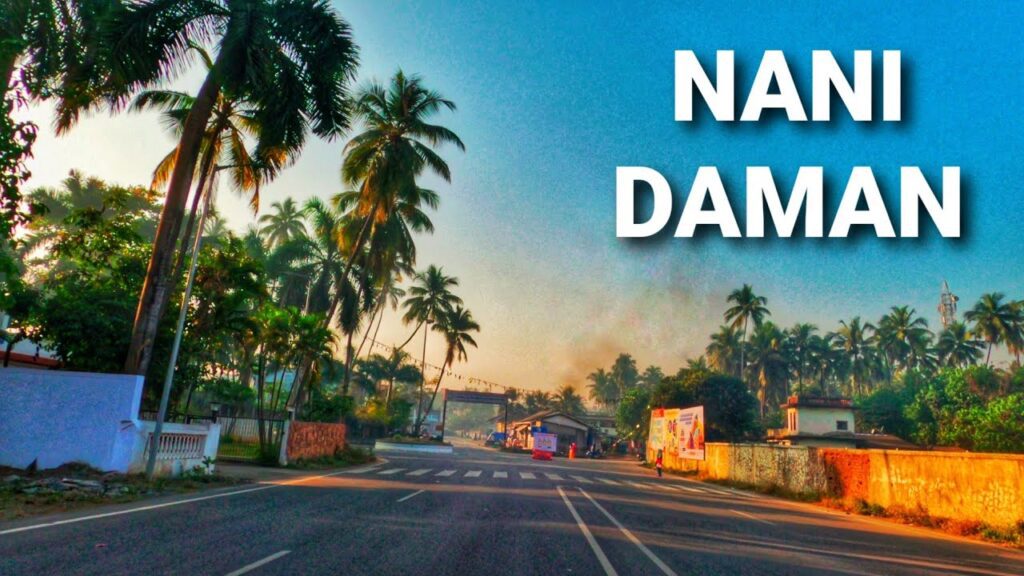
Your Ultimate Daman Travel Itinerary: Places You Must Visit
Once you arrive in Daman, a treasure trove of attractions awaits. Here are some of the must-visit places to include in your itinerary:
- Jampore Beach: Known for its serene ambiance and blackish sand, this beach is perfect for a leisurely stroll or a camel ride.
- Devka Beach: A popular spot with a rocky shoreline, it comes alive in the evenings with tourists and locals alike.
- Moti Daman Fort: This massive fort with its imposing walls and lighthouse offers panoramic views of the Arabian Sea.Nani Daman Fort (St. Jerome Fort):A smaller but equally charming fort that houses the beautiful Church of Our Lady of the Sea.
- Cathedral of Bom Jesus: A stunning example of Portuguese architecture, this 17th-century church is a testament to Daman’s rich history.
- Mirasol Lake Garden: A beautiful man-made garden with a lake, offering boating facilities and a tranquil environment.
The Best Time to Travel from Mumbai to Daman by Road
The winter months, from October to March, are ideal for a road trip to Daman. The weather during this period is pleasant, with comfortable temperatures, making it perfect for sightseeing and outdoor activities. The monsoon season, from July to September, also offers a unique charm, with the lush greenery of the countryside making for a scenic drive. However, it’s advisable to check for weather advisories during heavy rainfall.
Frequently Asked Questions (FAQs)
Q: How do I book a taxi with Astha Travels Line from Mumbai Airport to Daman?
A: You can book a taxi through their official website by entering your travel details and choosing your preferred vehicle. Alternatively, you can call their 24/7 customer service number for assistance with your booking.
Q: Are the fares quoted by Astha Travels Line inclusive of all charges?
A: Yes, Astha Travels Line generally offers an all-inclusive fare that covers tolls, taxes, and driver allowances. It is always a good practice to confirm this at the time of booking.
Q: What is the luggage capacity of the different types of vehicles?
A: Hatchbacks can typically accommodate 2 small to medium-sized bags. Sedans offer more boot space for 2-3 medium to large bags. SUVs have the most generous luggage capacity, making them suitable for travelers with a significant amount of luggage.
Q: Can I request a specific model of car?
A: While you can choose a vehicle type (hatchback, sedan, or SUV), the availability of a specific model is subject to the operator’s fleet at the time of your travel.
Q: Is it safe to travel from Mumbai to Daman by taxi at night?
A: Yes, traveling with a reputable taxi service like Astha Travels Line, which employs professional and verified drivers, is generally considered safe.
In conclusion, a taxi journey from Mumbai Airport to Daman is a convenient and comfortable way to begin your coastal retreat. By opting for a reliable service provider like Astha Travels Line, you can ensure a transparent, safe, and pleasant travel experience, setting the perfect tone for your Daman sojourn.